Major Foundation Reconstruction
Foundation Replacement and Reconstruction
Facing extensive foundation deterioration? Discuss evaluation and reconstruction options. Get a Free Estimate
Major Foundation Reconstruction
Facing extensive foundation deterioration? Discuss evaluation and reconstruction options. Get a Free Estimate
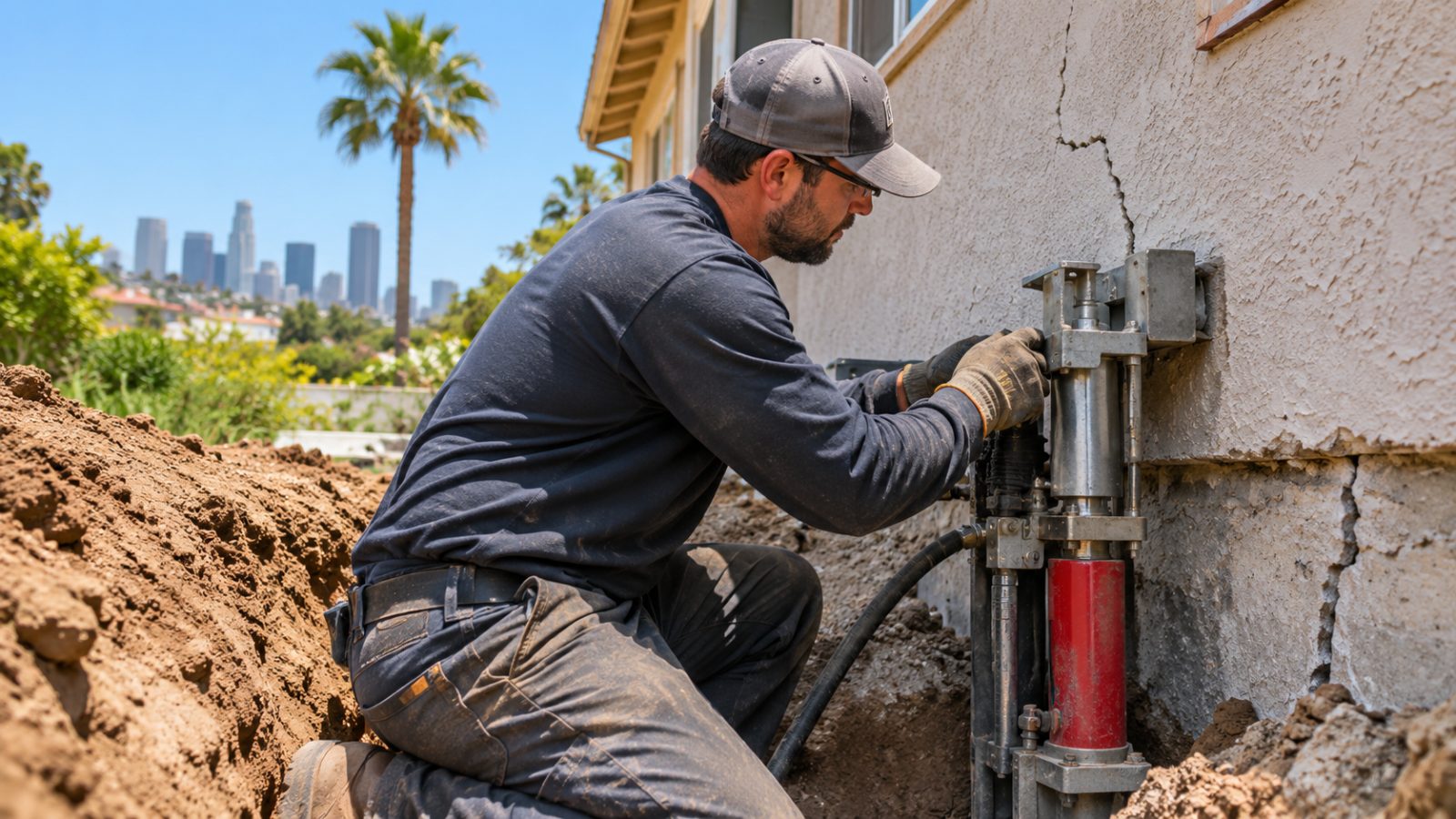
Some foundations have deterioration or structural deficiencies extensive enough that localized repairs may not be practical. Severe concrete damage, inadequate original construction, significant movement, or a combination of problems can lead to consideration of partial or complete foundation replacement.
Replacement is a major undertaking, particularly beneath an occupied or historic home. It typically requires structural engineering, temporary support, carefully sequenced work, and permits. Before choosing reconstruction, it is important to compare feasible repair alternatives and understand the impact on the building.
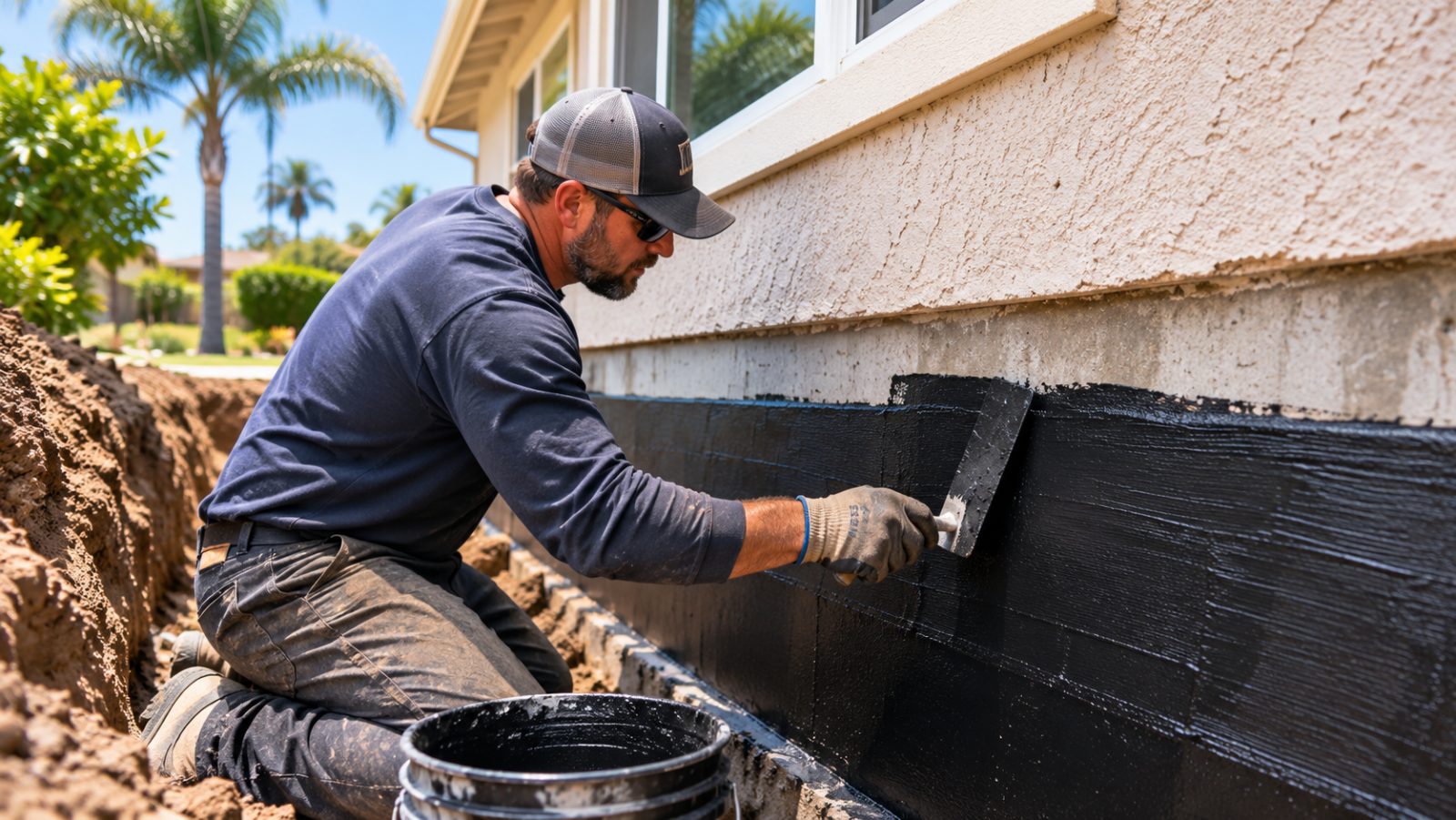
Foundation replacement involves much more than removing old concrete and pouring new material. The existing structure must remain safely supported, the new foundation must carry the required loads, and connections to the building must be properly designed. Site access and existing utilities can strongly influence the construction sequence.
When deterioration is limited to specific sections, partial replacement may be possible. Engineers must evaluate how new foundation elements will connect to and interact with remaining components.
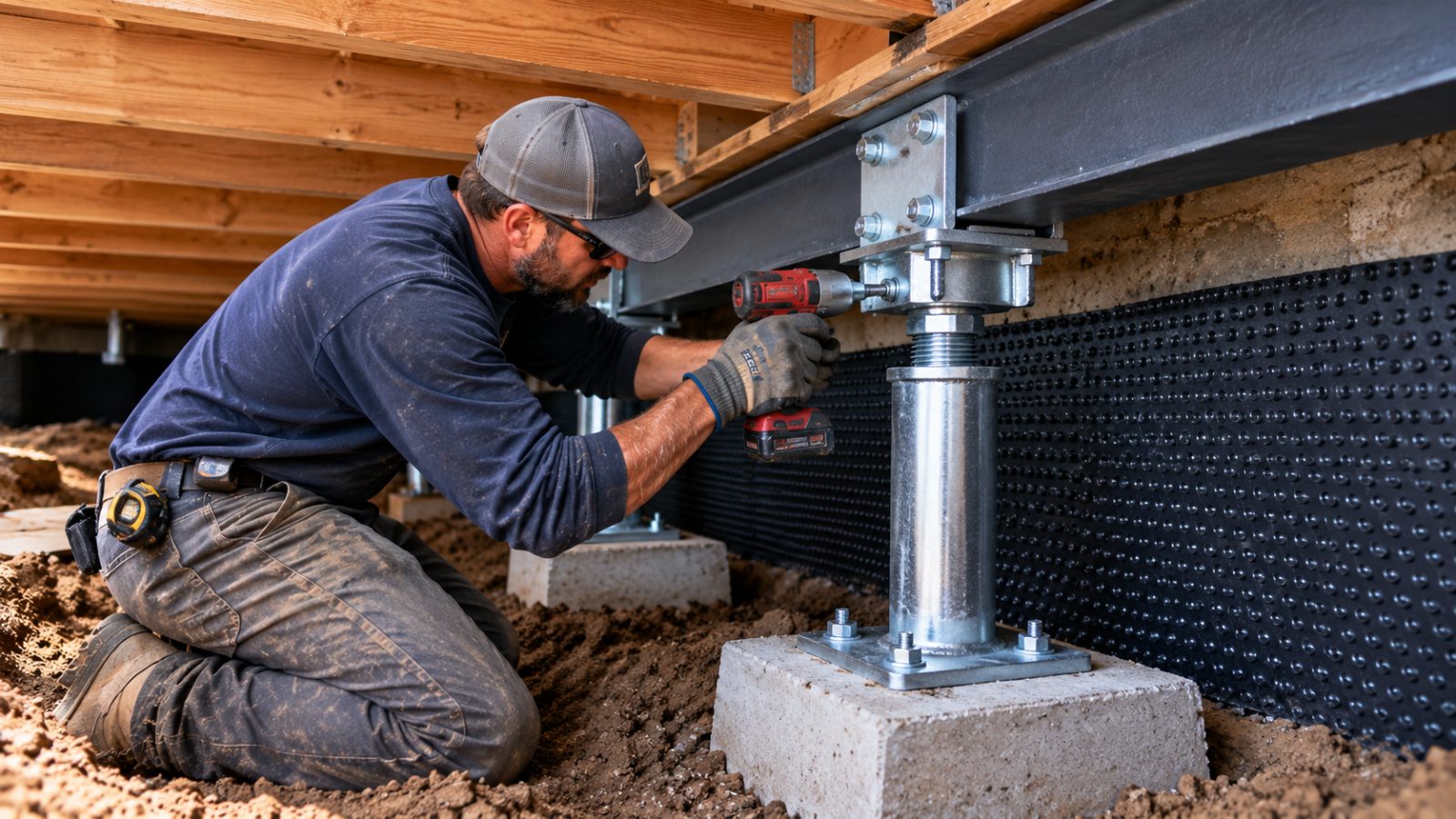
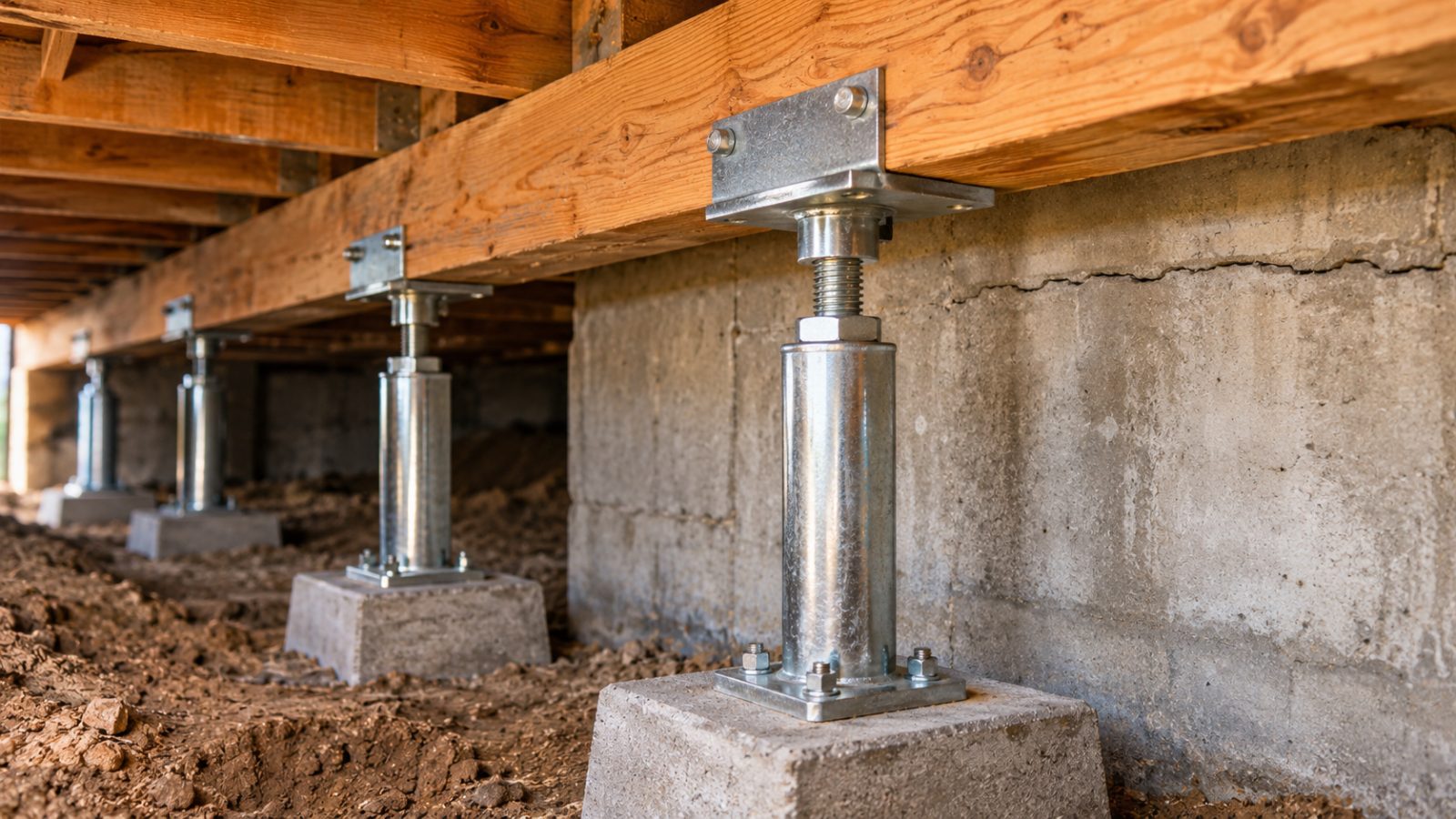
Older raised-floor houses may require replacement of perimeter foundation sections or interior support elements. Work can involve temporary shoring, excavation, new concrete, and updated structural connections.
Full replacement may be considered when widespread deficiencies make other repairs impractical. The project requires detailed planning for temporary support, demolition, excavation, construction, and safe transfer of building loads.
Reconstruction provides an opportunity to address structural detailing and anchorage in accordance with approved plans. The specific reinforcement and connection requirements depend on the building and current applicable standards.
Some Pasadena properties may be subject to historic preservation requirements. Foundation work should consider applicable review processes and the protection of significant building features.
| Service | Estimated Cost | Average |
|---|---|---|
| Partial foundation replacement | Engineered proposal required | Not established |
| Raised foundation reconstruction | Site-specific proposal | Not established |
| Complete foundation replacement | Detailed project estimate required | Not established |
| Complex historic property reconstruction | Specialized evaluation required | Not established |
Major reconstruction costs depend on building loads, access, excavation, shoring, engineering, permits, concrete quantities, utility conflicts, and historic property requirements. No reliable universal price applies.
Full replacement should be considered alongside feasible stabilization or partial repair options.
Temporary support, sequencing, and load transfer are critical elements of reconstruction.
Older Pasadena properties require attention to original materials, finishes, and architectural features.
Major work should have defined responsibilities, approvals, construction stages, and realistic expectations.
Describe the condition of your existing foundation and any engineering reports you already have.
Free — no obligations
Evaluate deterioration, structural deficiencies, and feasible repair alternatives.
Develop foundation and temporary support plans appropriate for the building.
Confirm approvals, access, utilities, and construction sequencing.
Complete staged removal, temporary support, and new foundation construction under the approved plan.
Coordinate required inspections and review completion documentation.