Foundation Support Solutions
Foundation Underpinning and Pier Installation
Concerned about foundation settlement? Ask about evaluating support and underpinning options. Get a Free Estimate
Foundation Support Solutions
Concerned about foundation settlement? Ask about evaluating support and underpinning options. Get a Free Estimate
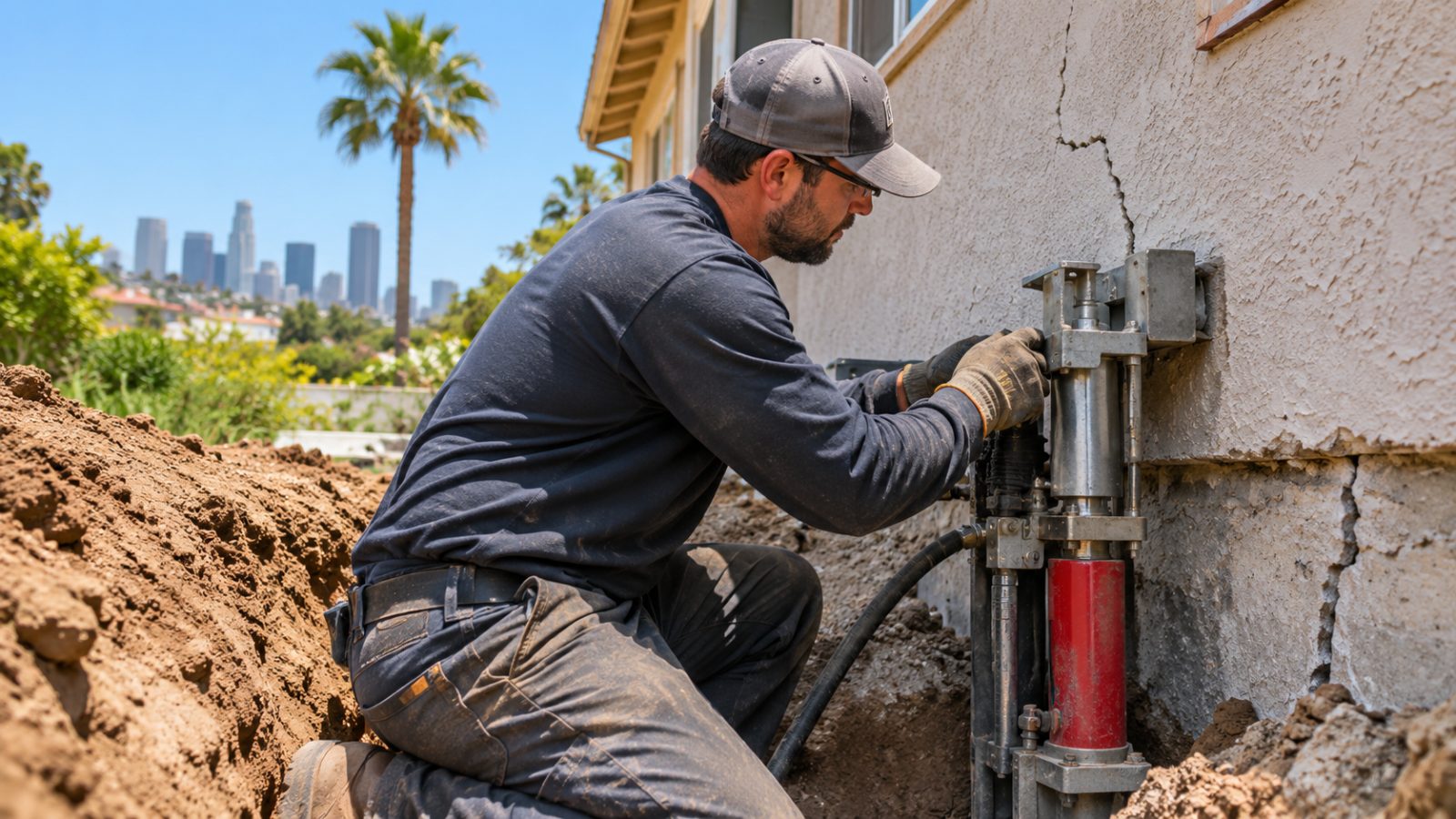
Underpinning is a method of strengthening or extending support beneath an existing foundation. It may be considered when the original foundation support is inadequate, soil conditions have changed, or settlement has affected part of a building. Pier systems can sometimes transfer structural loads to deeper, more suitable bearing materials.
Not every settling foundation needs piers. The right method depends on structural loads, soil information, access, and the cause of movement. Underpinning is substantial structural work and should be evaluated and designed by appropriately qualified professionals.
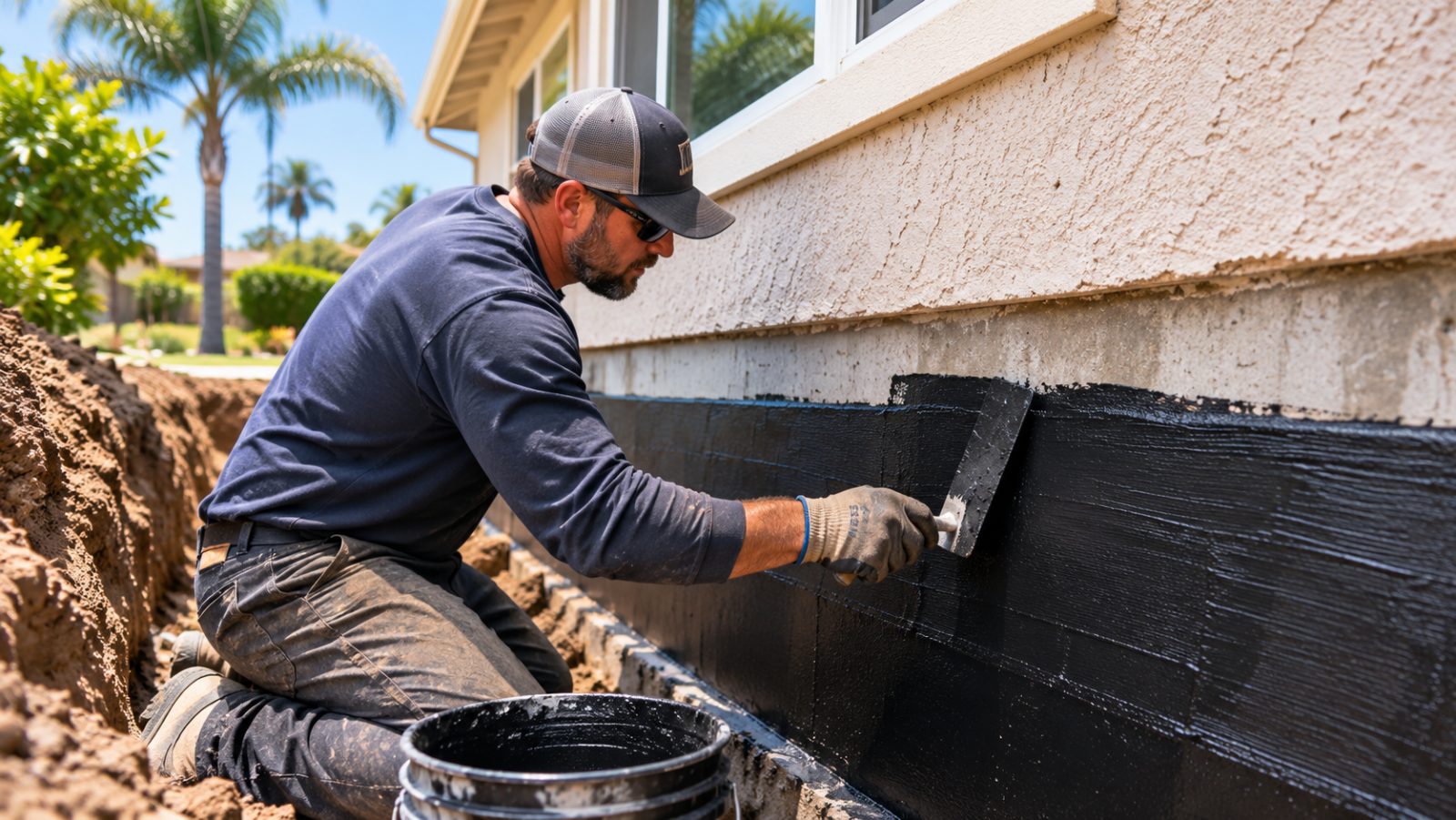
Underpinning changes how a foundation transfers weight to the ground. Depending on the project, this can involve deeper support elements, new reinforced concrete components, or carefully staged work beneath existing footings. The choice should be based on engineering analysis rather than a standard pier count.
Push piers are sectional steel elements that may be advanced into the ground using the structure as part of the installation reaction. Their suitability depends on building weight, subsurface conditions, and the engineered design. They are not appropriate for every foundation.
Helical piers use steel shafts with helical bearing plates that are rotated into the ground. They can provide support where properly designed for the loads and soil conditions. Installation requirements, depth, and capacity must be determined for the specific project.
Some structures may be supported through reinforced concrete underpinning or new footing elements. Work often needs to be completed in controlled stages to protect the existing building. Excavation and temporary support requirements are important considerations.
When settlement is limited to one portion of a structure, the repair may focus on the affected area. Engineers must consider how additional support interacts with the rest of the foundation and whether differential movement could continue elsewhere.
Pier installation is only part of an underpinning project. Proper connections, load transfer, verification, and documentation matter. Some projects also benefit from movement monitoring before or after the work.
| Service | Estimated Cost | Average |
|---|---|---|
| Helical pier underpinning | Engineered quote required | Not established |
| Push pier installation | Engineered quote required | Not established |
| Concrete underpinning | Engineered quote required | Not established |
| Complex underpinning project | Site-specific proposal | Not established |
Pier costs depend on the number of supports, installation depth, soil conditions, access, structural connections, engineering, and permitting. A reliable estimate requires a defined scope.
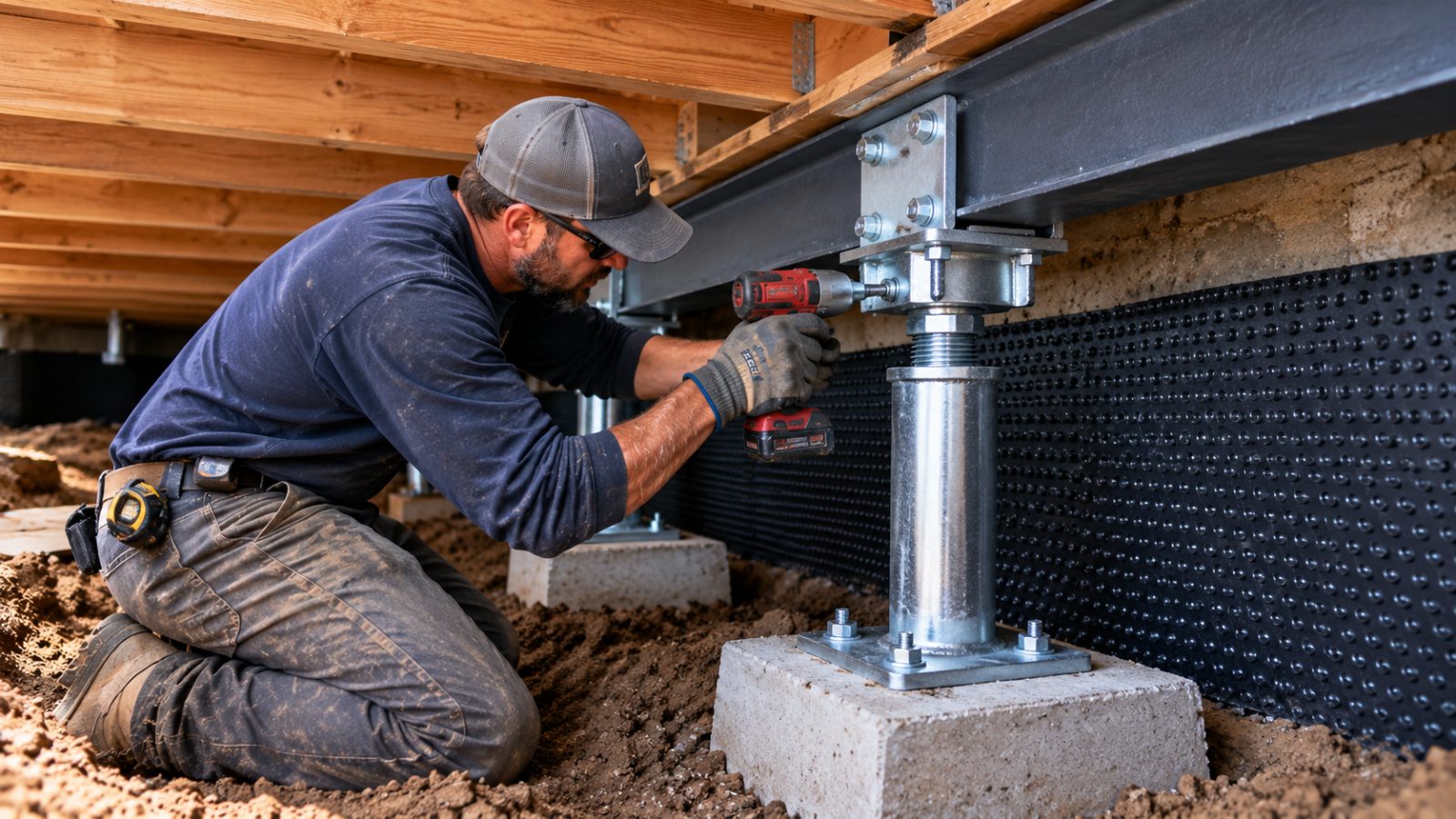
Underpinning affects the building's load path. Qualified structural and geotechnical input may be necessary to determine the appropriate design.
Piers are one possible solution, not a universal answer to settlement. We focus on matching the method to the conditions.
Excavation, equipment access, utilities, and nearby structures can influence the installation approach.
Stabilization and lifting are different goals. The potential for elevation recovery should be assessed rather than assumed.
Tell us where settlement is occurring and whether an engineer has already reviewed the property.
Free — no obligations
Document settlement symptoms and identify affected foundation sections.
Assess structural loads and subsurface information to determine appropriate support options.
Develop the installation plan and obtain required approvals.
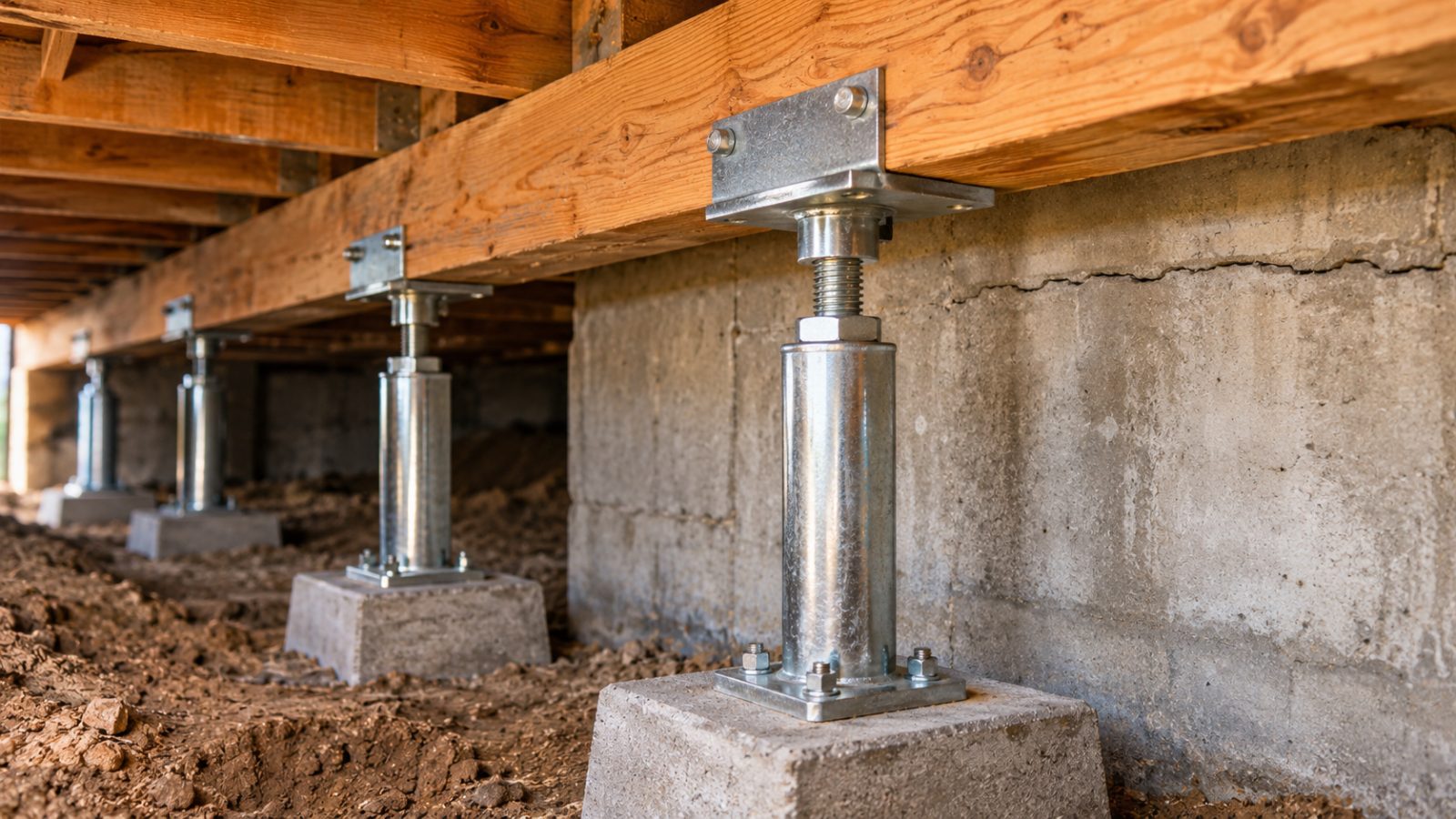
Install support elements according to the approved design and applicable inspection requirements.
Review installation documentation, structural connections, and any recommended monitoring.